Art in the Hotel
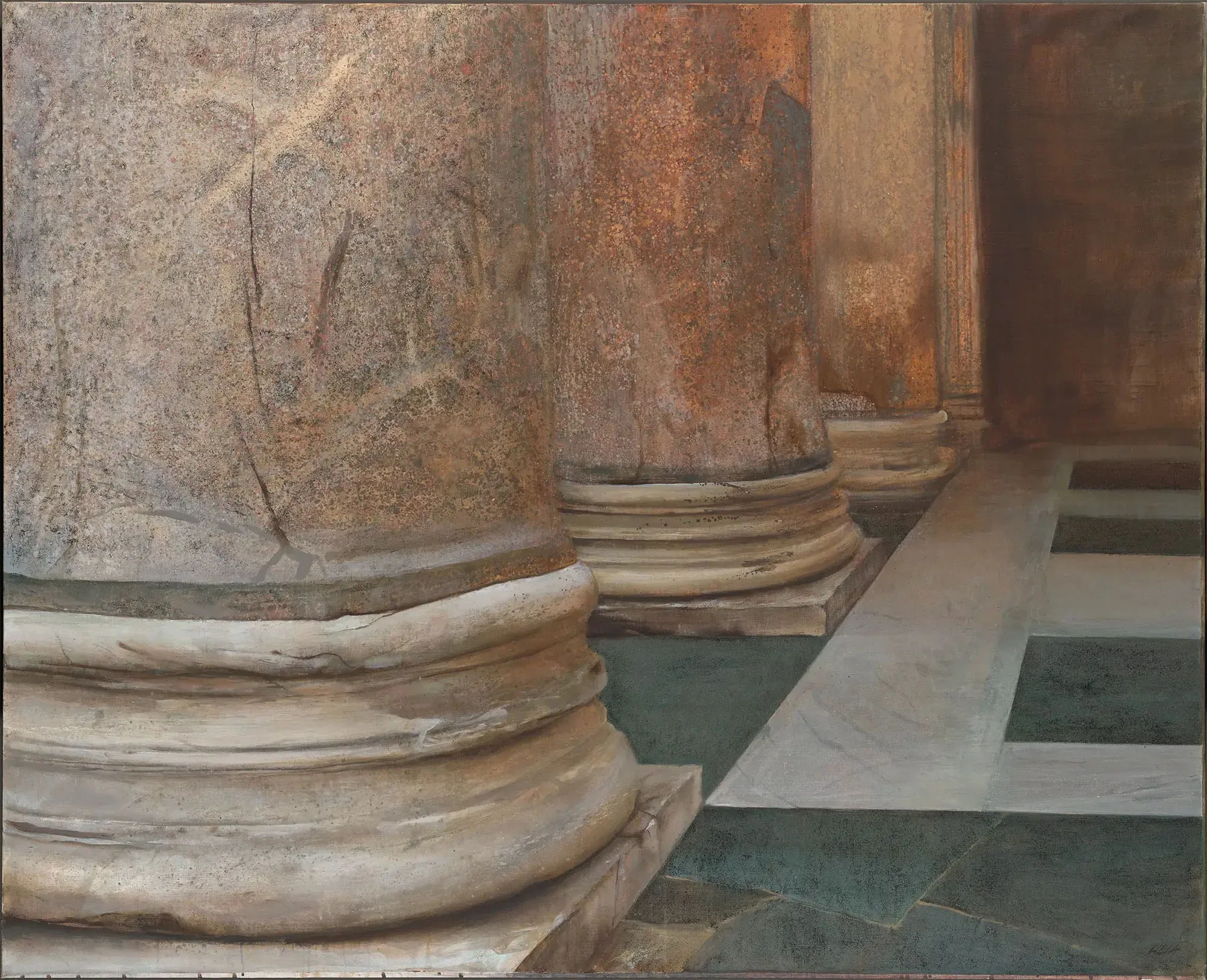
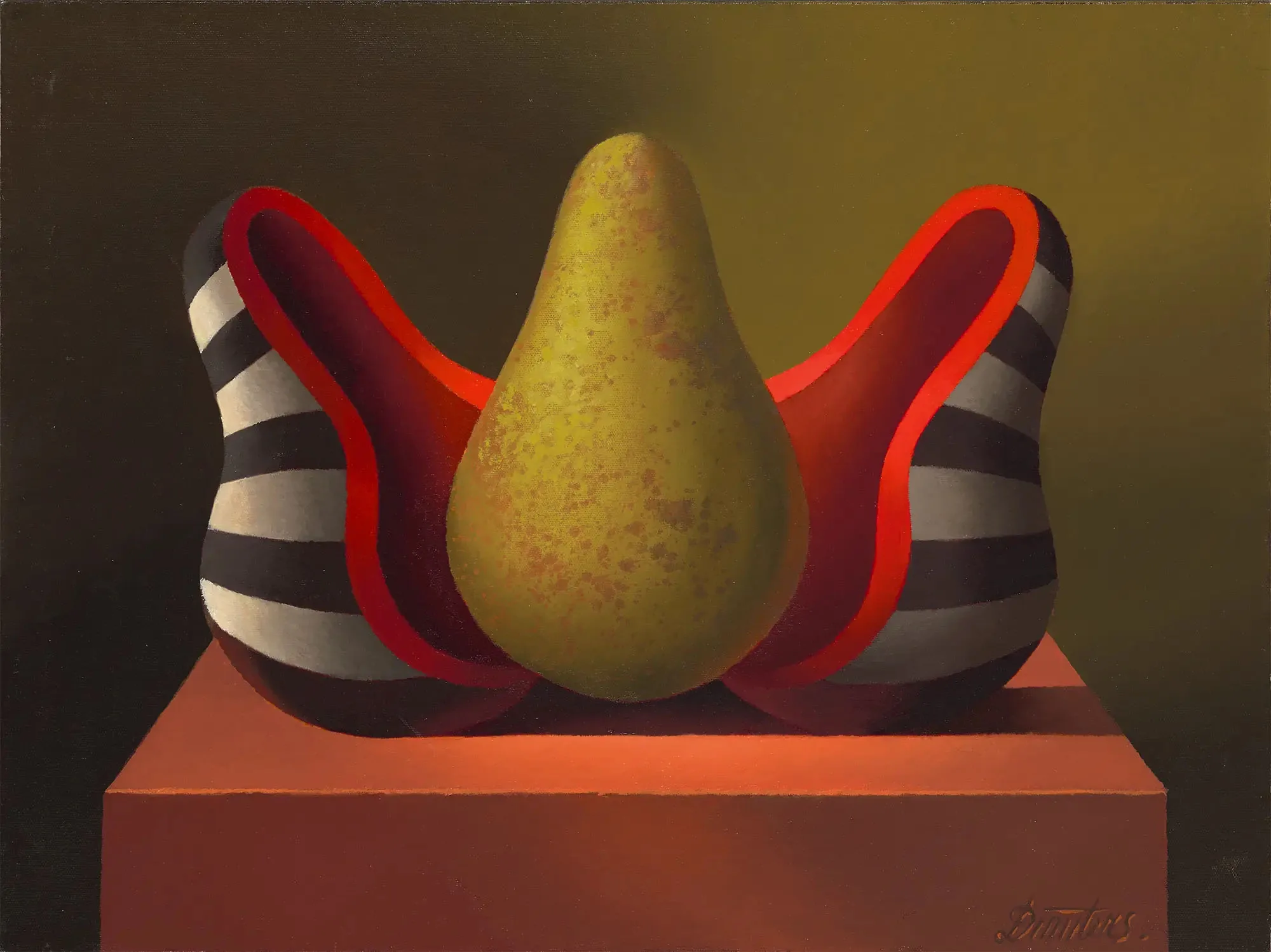
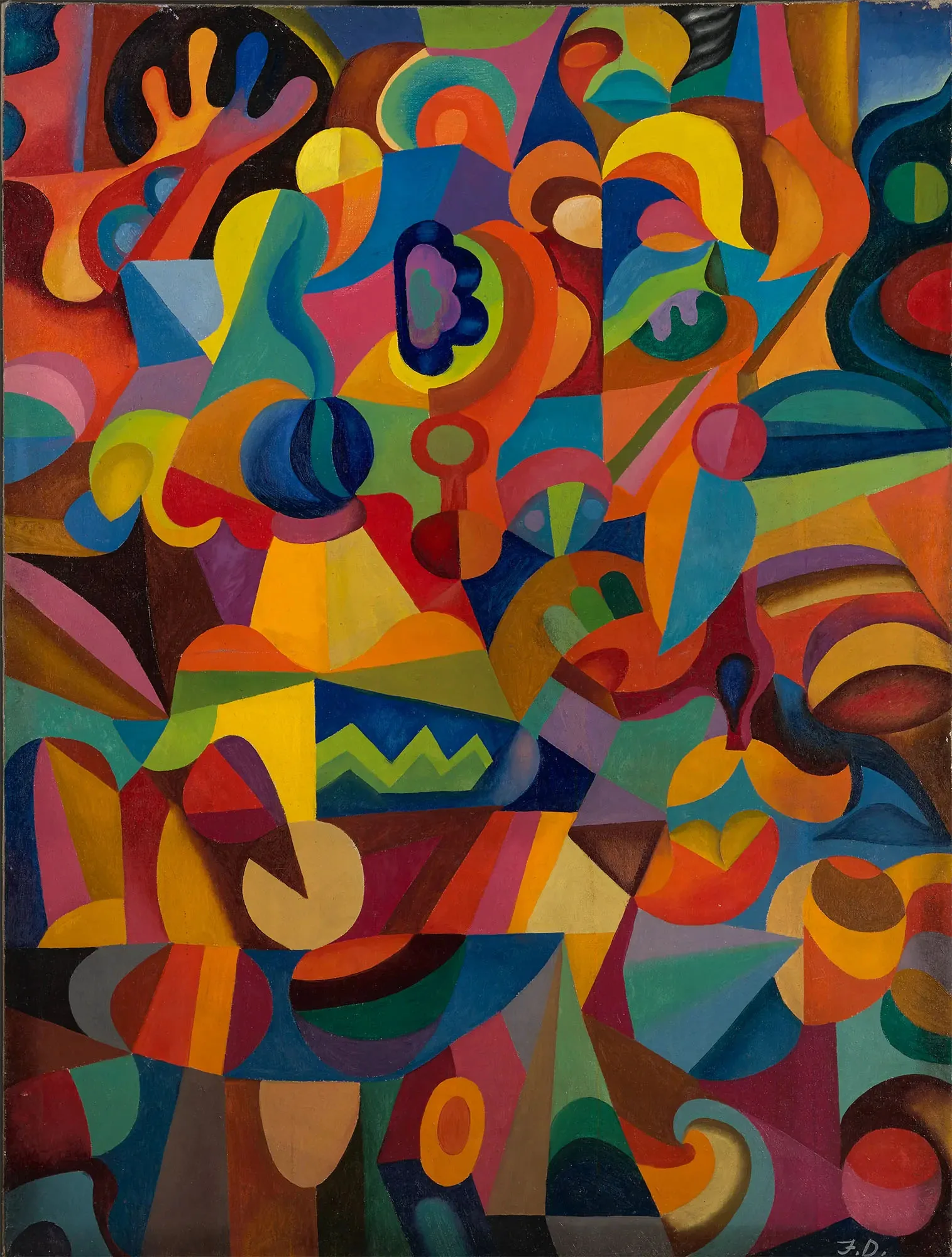
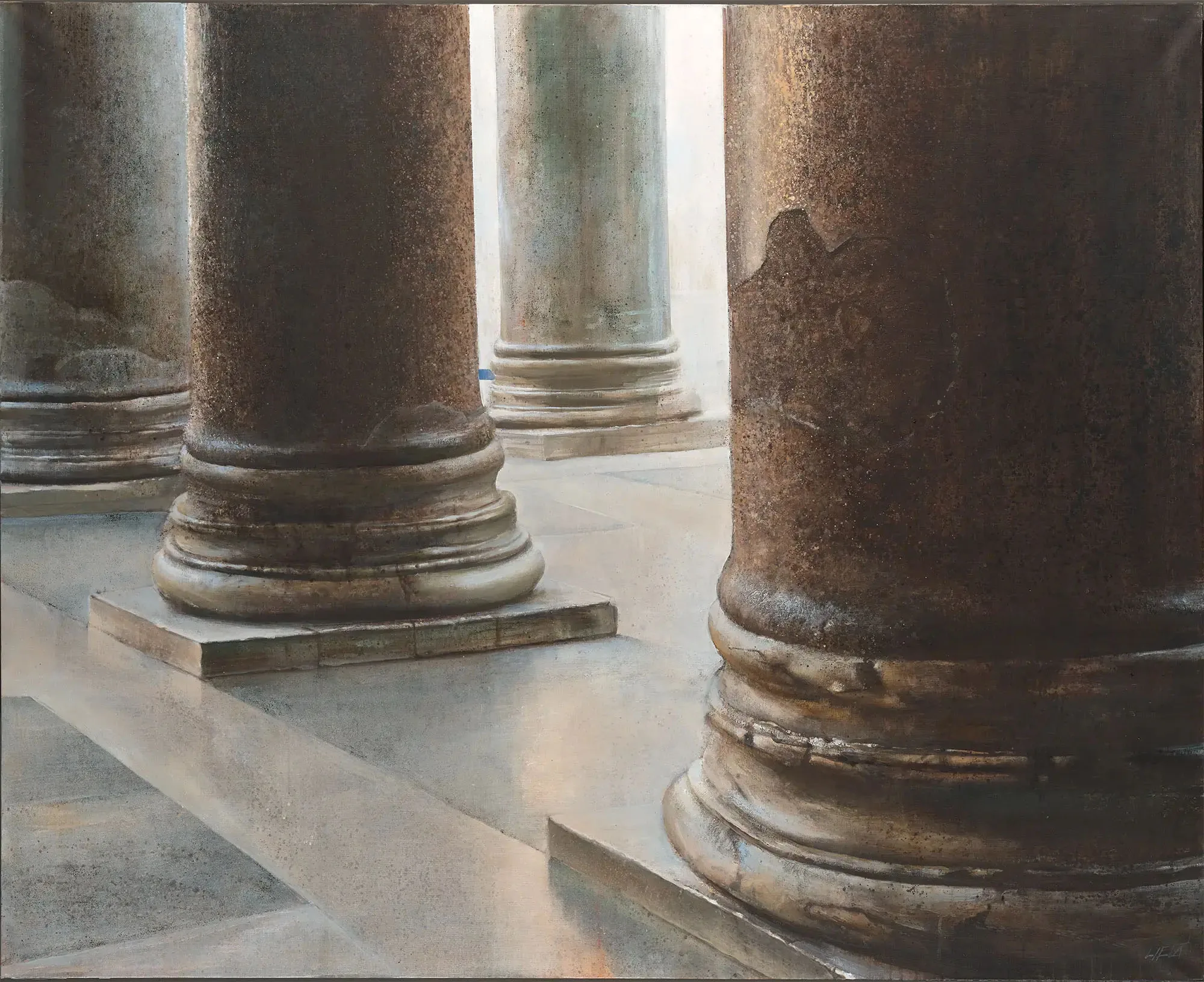
The public areas and rooms of Aston Hotel Riga host a rotating exhibition of Latvian art, spanning the late 1960s to the present day. Choose a floor to explore the works around you, or meet the artists behind them.
Floor 1
Floor 2
Floor 3
Floor 4
Floor 5
Floor 6
Artists
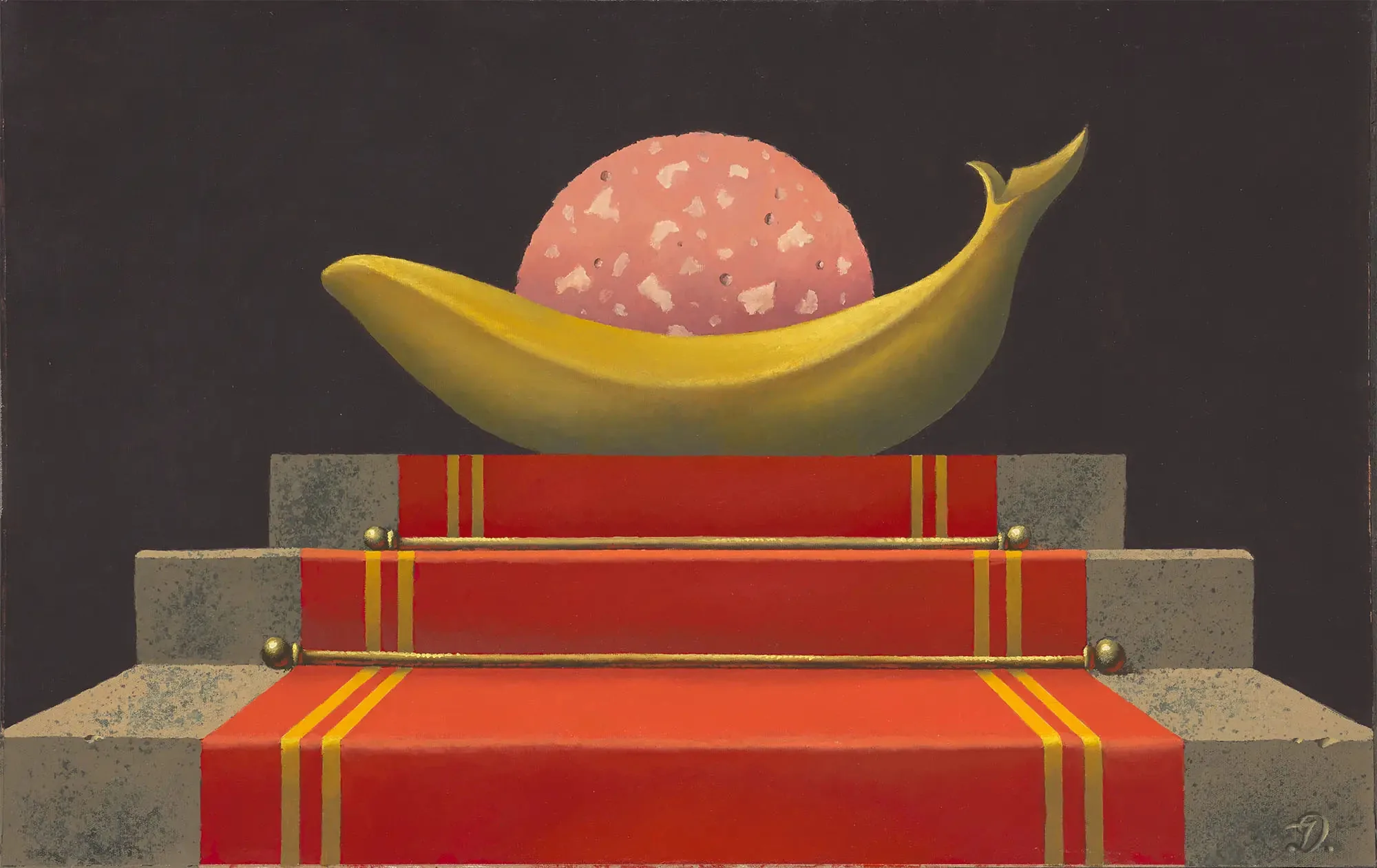
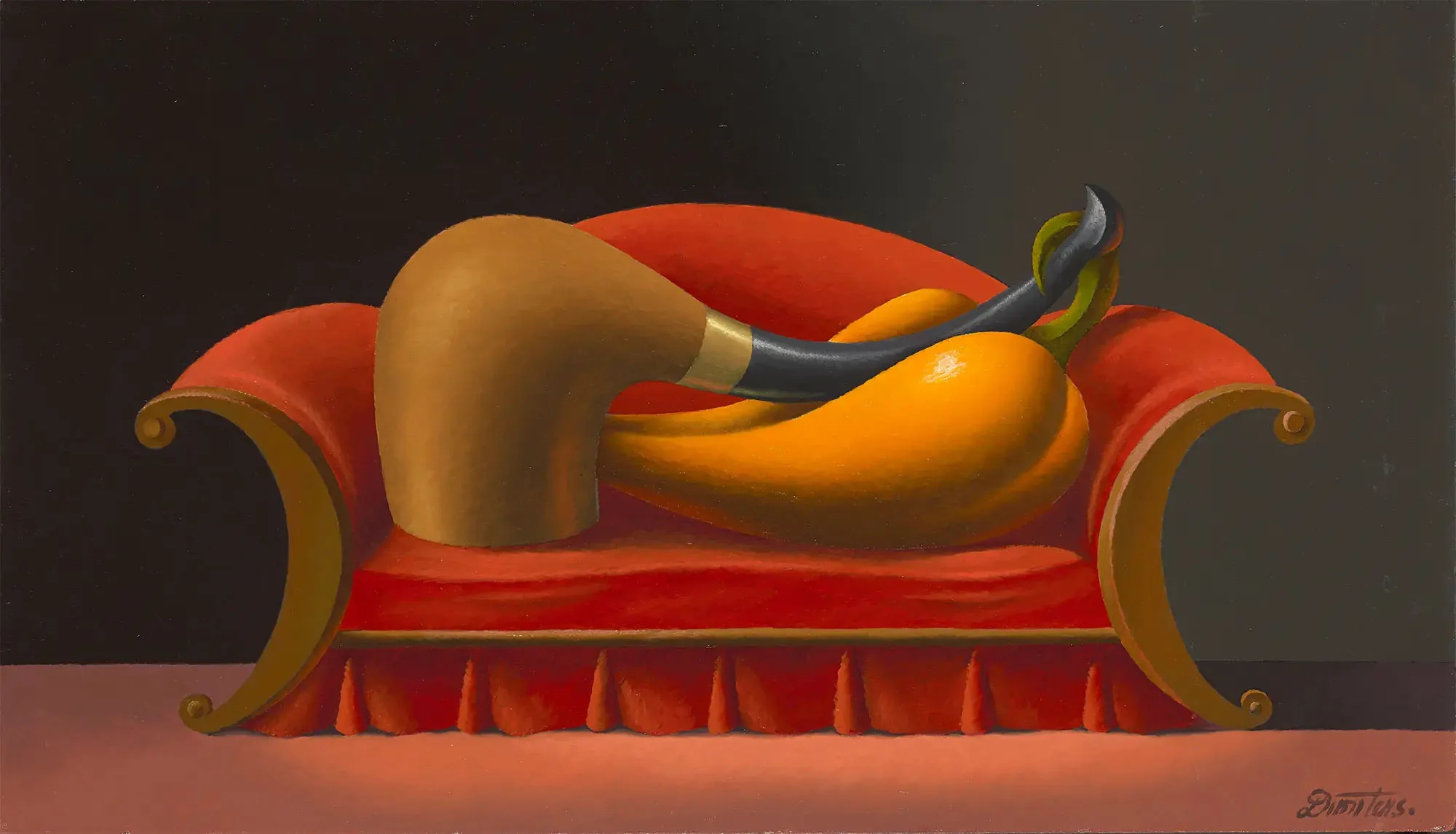
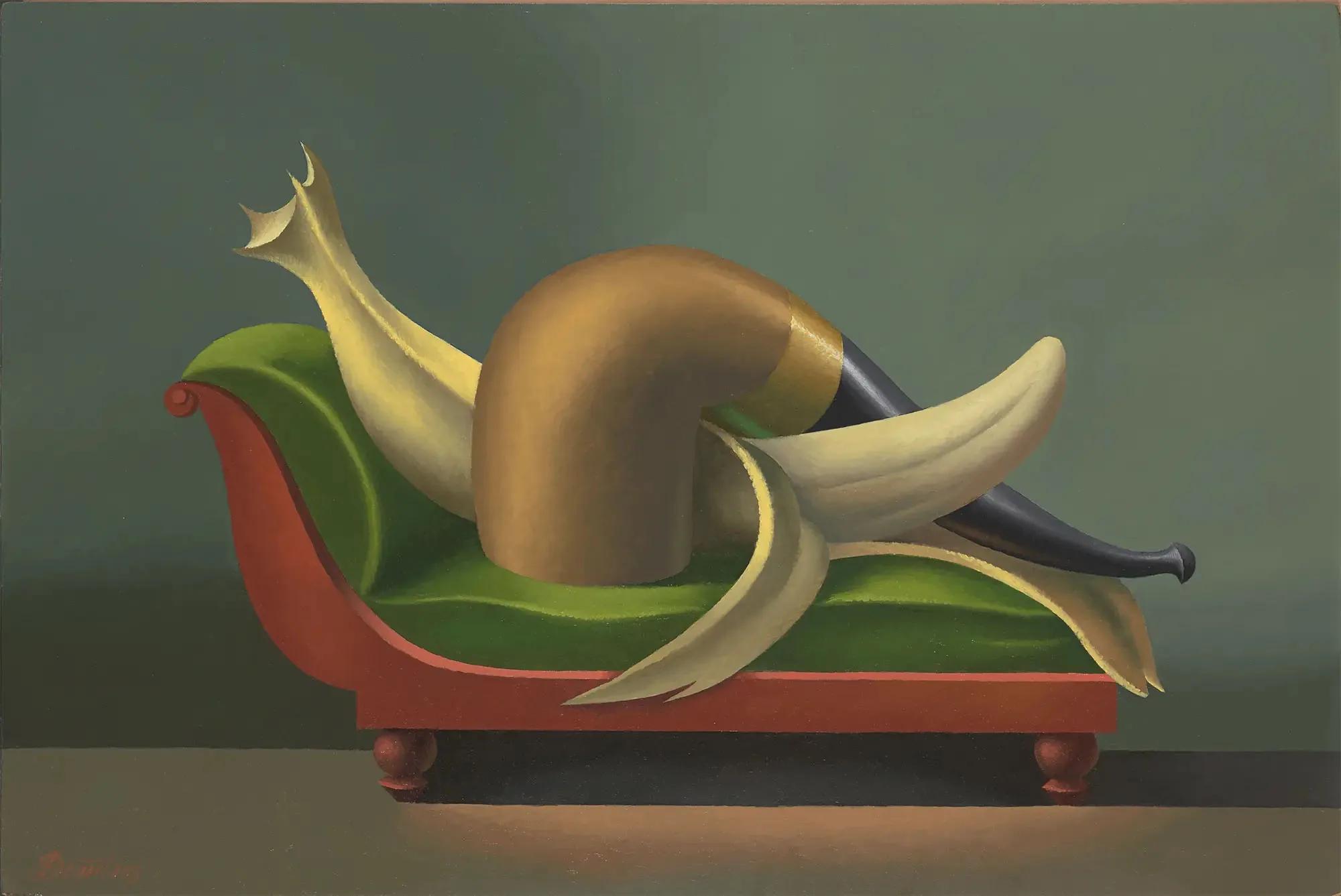
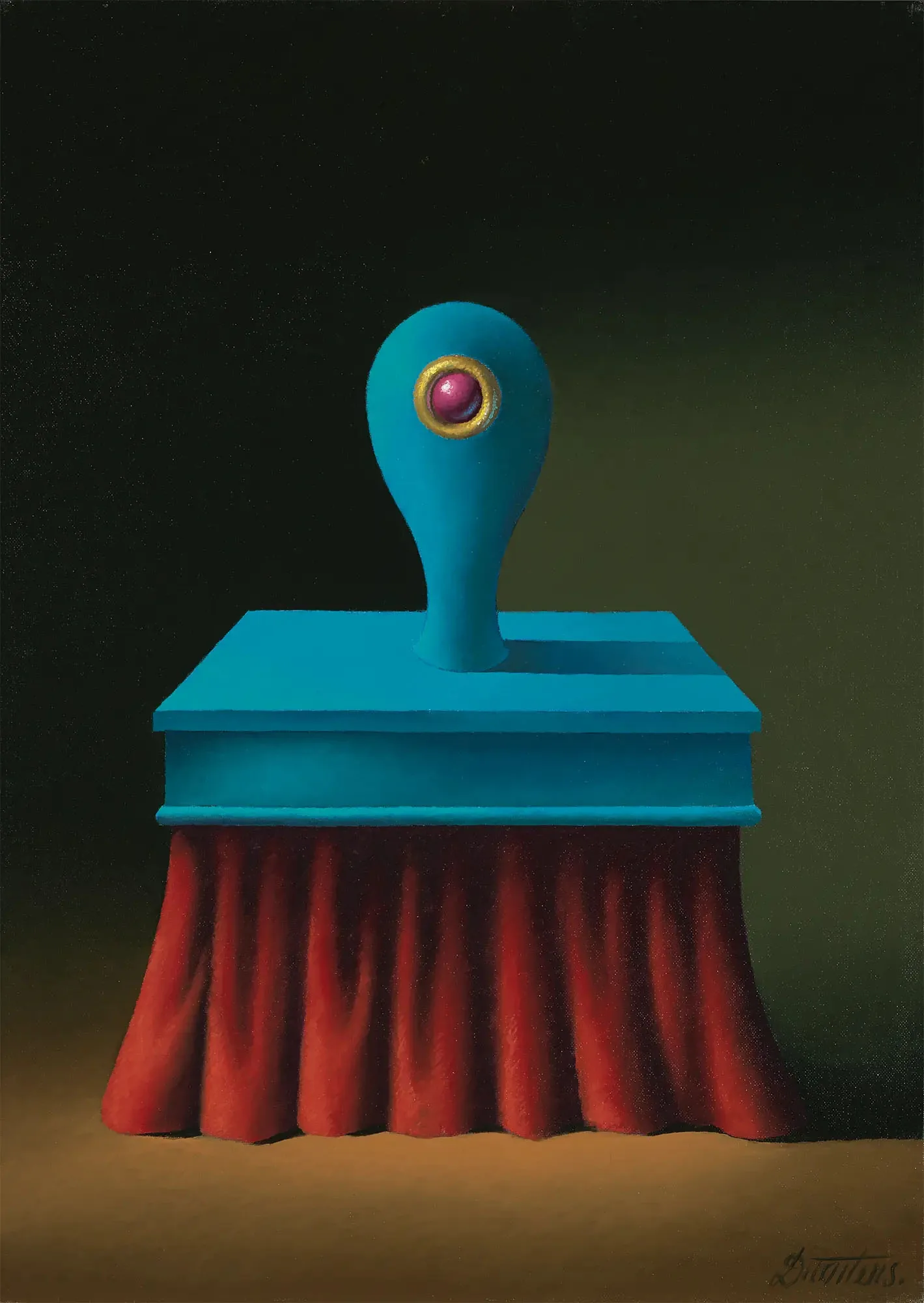
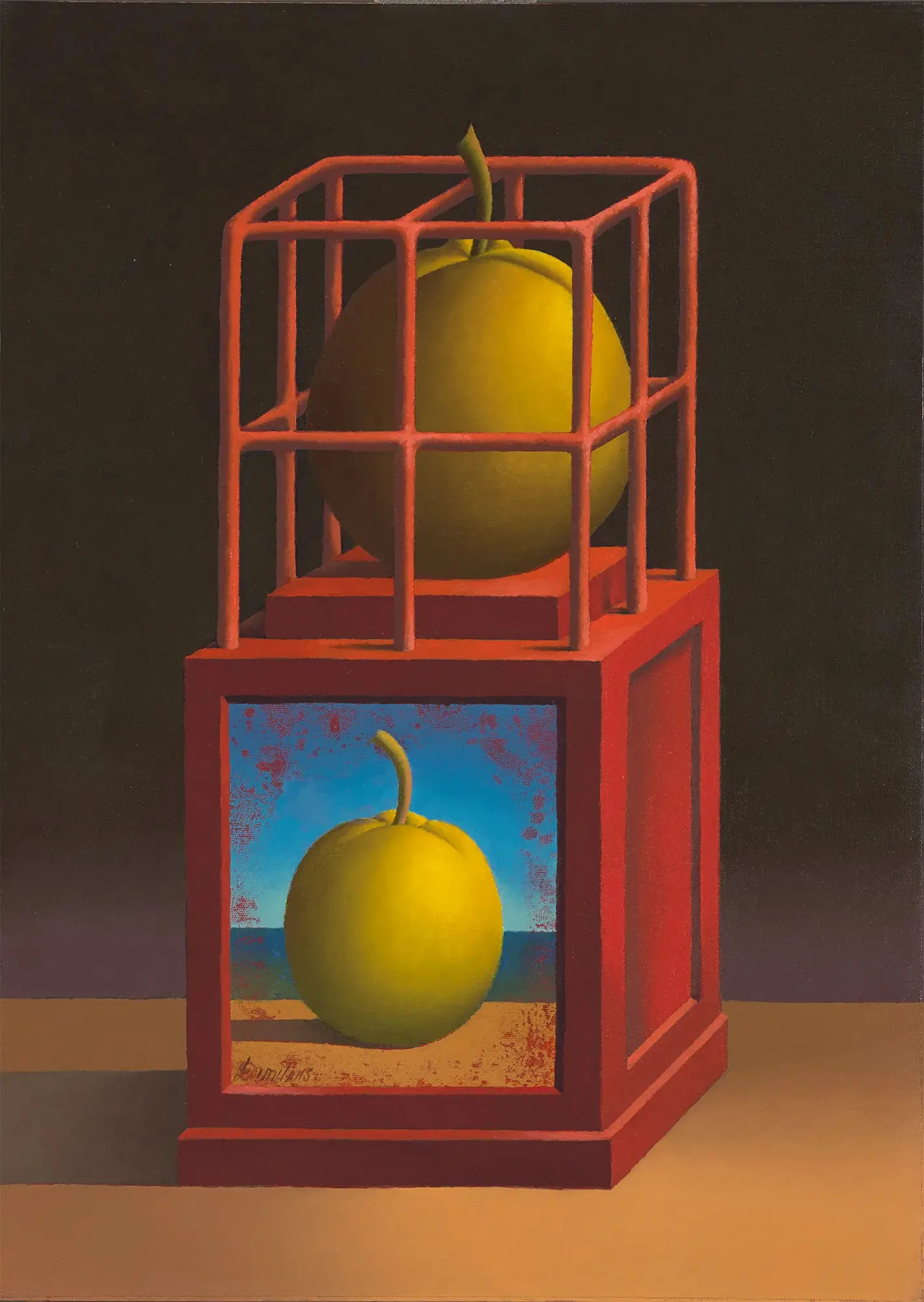
Juris Dimiters (1947)
Irony, grotesque imagery and visually precise metaphor are among the defining characteristics of Juris Dimiters’ artistic practice. Working across painting, poster art and scenography, he has developed a highly recognisable visual world in which humour frequently coexists with existential tension. Dimiters’ works are marked by clearly legible compositions, expressive drawing and a symbolic system of imagery that transforms the everyday into a satirical or absurdly intensified commentary on society and human nature. Within the context of Latvian art, his artistic language maintains a distinctly independent and consistent position.
Dace Lielā (1957)
In Dace Lielā’s work, landscape is not merely a representation of nature but also a contemplative and generalised form of experience. Motifs of the sea, coastline, forests and marshlands acquire a subdued, meditative resonance in her paintings, where light, spatial depth and subtle tonal transitions play a crucial role. The artist carefully observes the changing states of nature while avoiding overt theatricality. Her painting is characterised by inner intensity, balance and a highly cultivated visual sensibility.
Rūdolfs Pinnis (1902–1992)
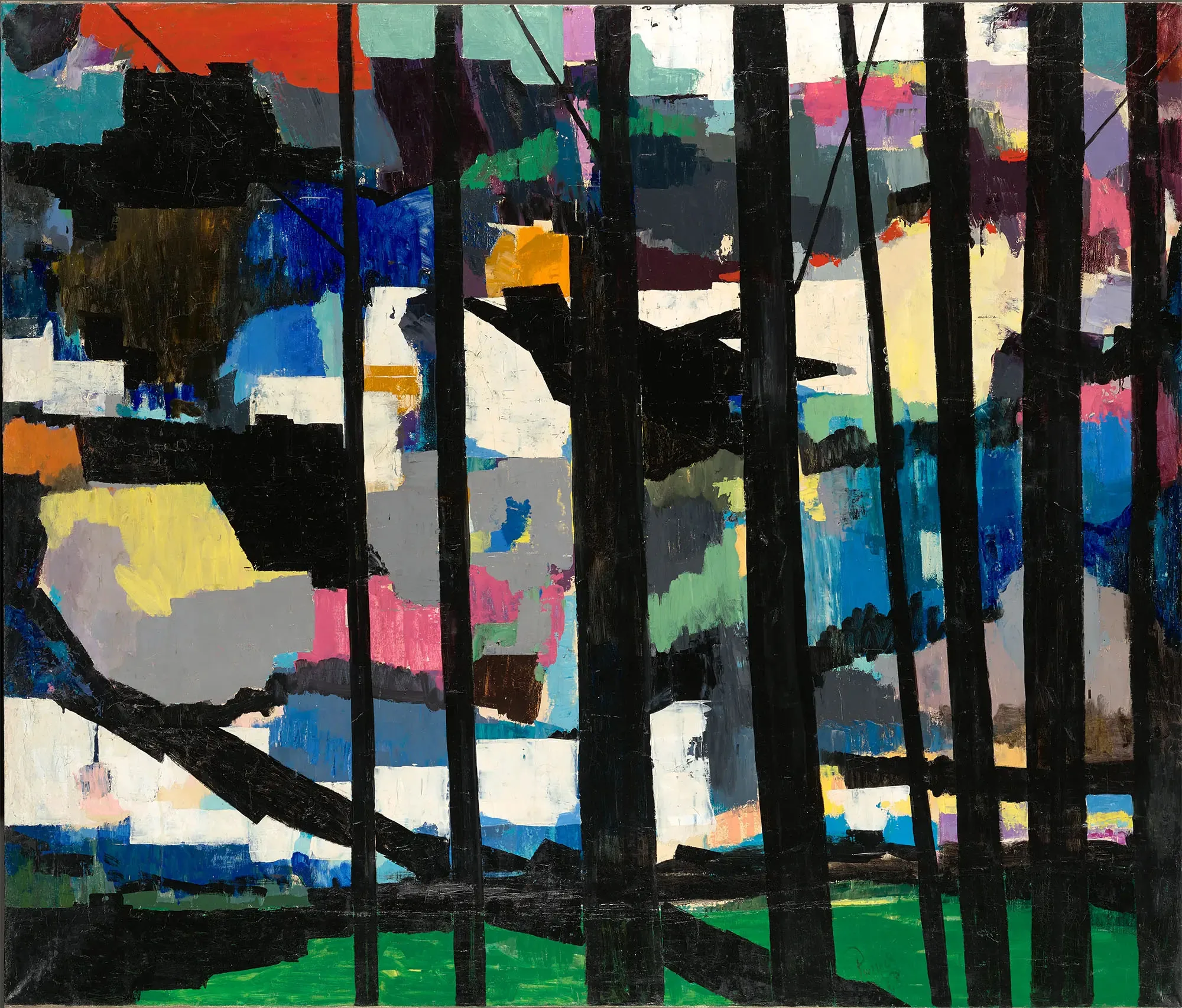
Rūdolfs Pinnis is one of the most significant Latvian painters of the twentieth century, whose work was shaped by the modernist experience of the School of Paris. In his paintings, landscapes and still lifes are reduced to simplified forms and intense colour relationships. His artistic language is defined by decorative intensity, compositional clarity and a freedom of colour. Within Latvian painting, Pinnis established a modern, laconic yet vibrant approach to colour.
Aija Zariņa (1954–2025)
Aija Zariņa’s art is distinguished by independent thinking, spiritual intensity and a consistent distance from conventional aesthetics. Working across painting, graphic art, installation and scenography, she developed a visual language in which deliberate simplification is combined with symbolic and mythological depth. Her works frequently incorporate archaic, religious and personal motifs that simultaneously engage with broader social and existential questions. Zariņa’s artistic practice is characterised by freedom, idealism and the ability to create images imbued with a powerful inner conviction.